
Three things make Paraguayan Spanish different from other dialects:
- The "vos" conjugation, used in place of "tú"
- Jopara & the Guaraní native language influence
- Hand signals
The Voseo (Vos) Conjugation
In Paraguay, it's rare for people to use the pronoun "tú", when casually referring to somebody. Instead, people use "vos". When using this "vos" pronoun, things are conjugated differently in the present tense.
- There's no stem or vowel changing.
- tú tienes --> vos tenés
- tú piensas --> vos pensás
- The last vowel of "-IR" verbs doesn't change.
- tú vives --> vos vivís
- An accent is placed at the last vowel of the verb
- example: tú hablas --> vos hablás
- "Ser" is irregular
- tú eres --> vos sos
- "Para ti" becomes "para vos"
- "tu" is still used as a possessive pronoun
- "tu perro es lindo" remains "tu perro es lindo"
- Usted is still used for formal contexts
If an outsider uses "tú" by accident, Paraguayans will understand. But they might say "only my great grandpa talks that way!"
Fortunately, learning to use the voseo conjugation is not a waste of time. Some other countries use it, including Argentina, Uruguay, Nicaragua, & Costa Rica.
Most schools don't explicitly teach this. Thankfully, this is used in other countries, so it's not a waste of time
Jopara & Guaraní
The native Guaraní people carry a strong influence in Paraguayan culture. The originators of drinking Yerba Mate, every Paraguayan knows at least some of their language (also called Guaraní).
In Asunción, nearly everybody speaks Spanish. In the countryside, fewer people speak Spanish, because they speak Guaraní. In general, Spanish speakers slip at least a little bit of Guaraní in their Spanish, although they tone it down when they know that they are talking to a foreigner.
At Fluido Spanish School, we prioritize teaching Spanish, because most students don't want the stress of learning two languages at once, and Spanish is useful because it's spoken in many other countries. However, we include a small amount of Guaraní in our curriculum, like the favorite curse word "Yapiro"
Hand Signals
The Finger Wag
Common in other Latin American countries, Paraguayans may wag their finger to say no. This is notable, because in the United States or other Western countries, a finger wag is considered rude, and only used with pets or babies. In Paraguay, it's not considered rude.

The "Mongaru" Handshake
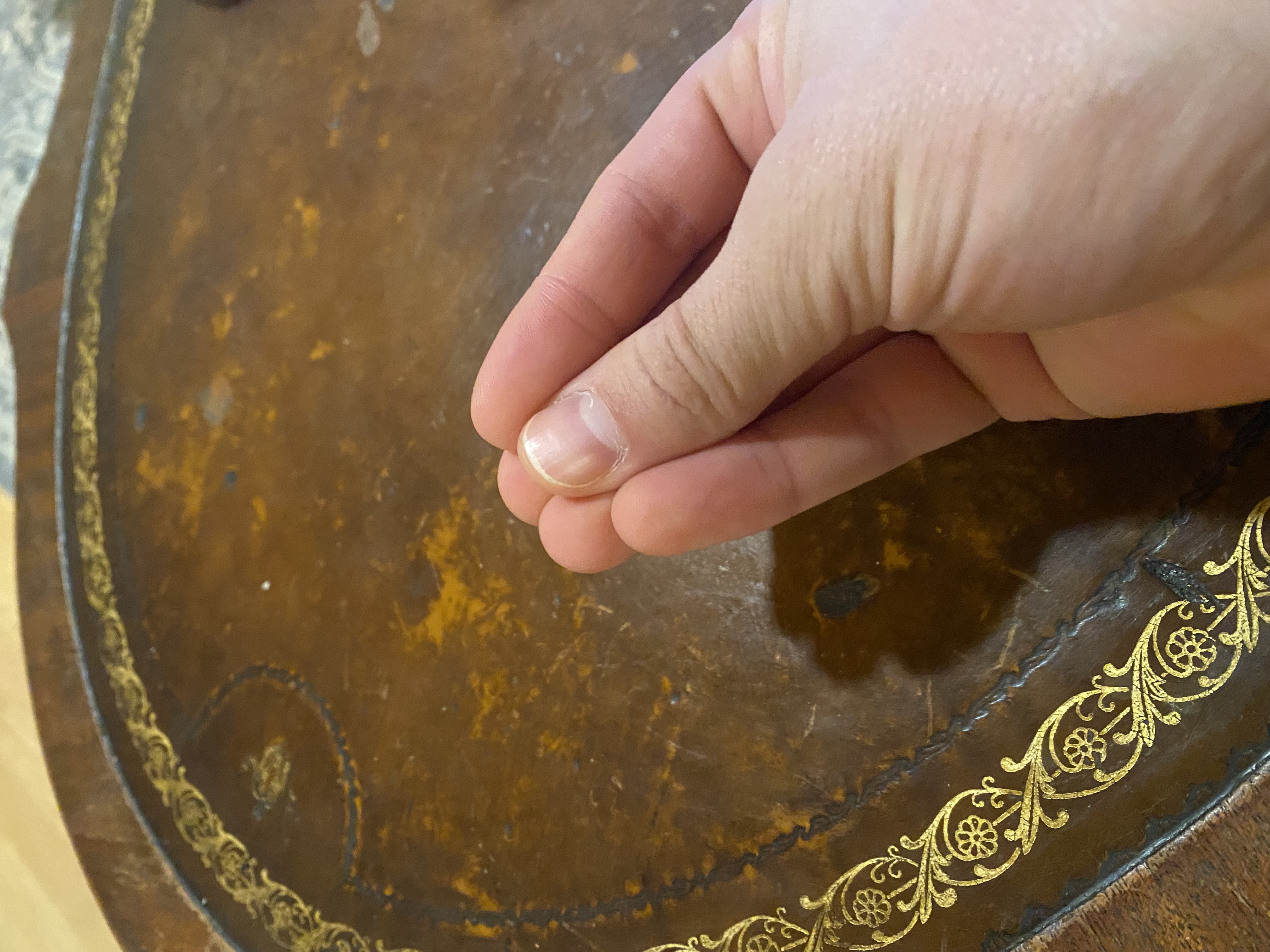
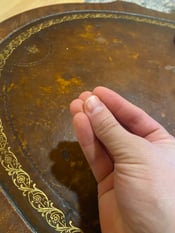
This gesture is reserved to give somebody "props" or show that they said or did something that one agrees with. Somebody forms their hand into the classic Italian hand gesture and presents it to their friend, who makes the same shape and they swipe their fingers together in a pull-apart motion.
Delicious Food
When somebody eats food that they find exceptionally delicious in Paraguay, they sometimes raise their elbow and shake their hand, as if they're trying to shake water off of their hand.
%206.21.55%20p.%20m..png)
Post a comment