
These Paraguayan foods are ranked in order of must-try. The foods at the top of the list are most likely to be foods truly from Paraguay. Towards the bottom are foods that could easily be found elsewhere.
- Chipa
- Sopa Paraguaya
- Vori Vori
- Mbejú
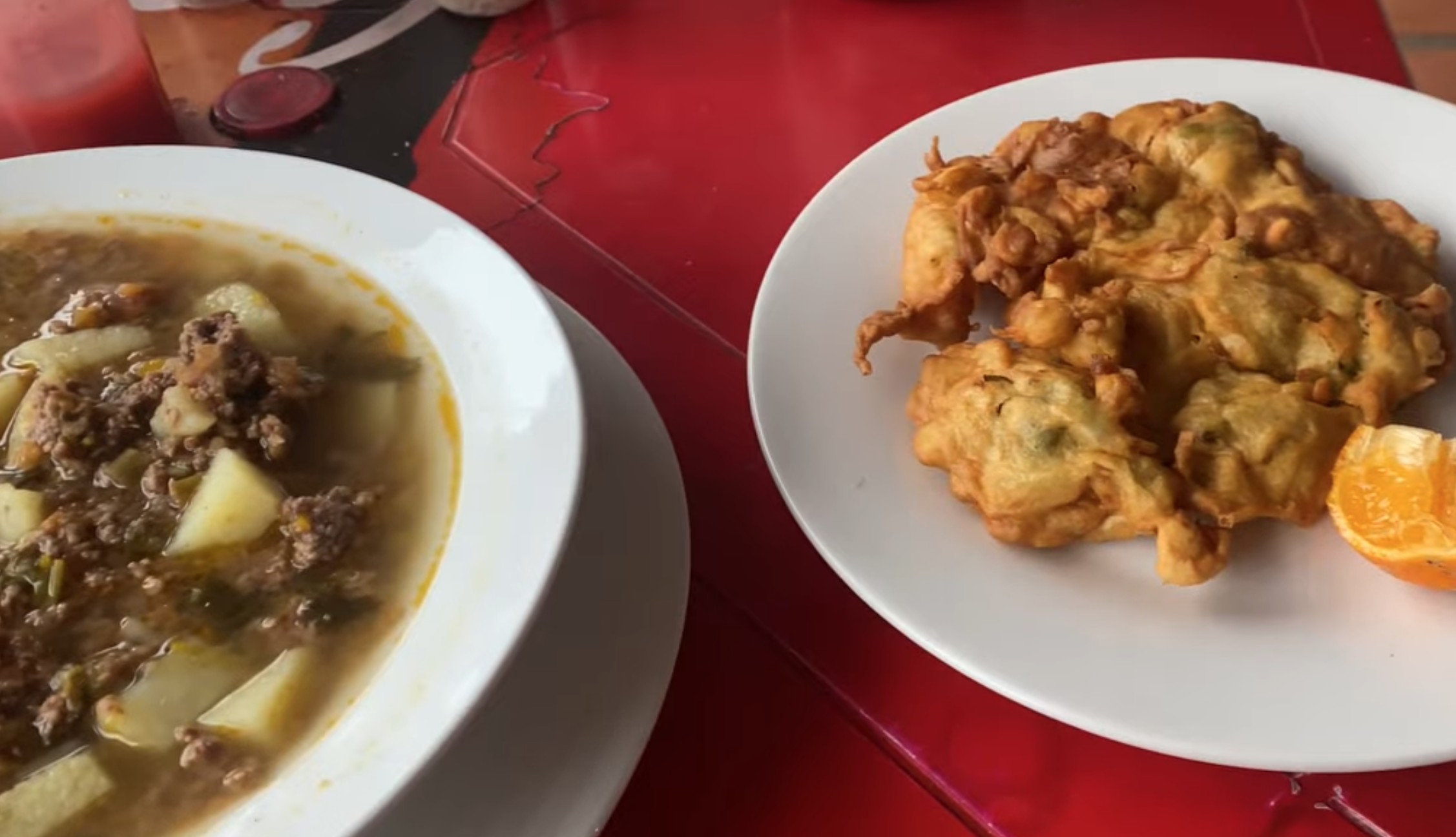
- Soyo con Tortilla
- Chipa Guasu
- Guiso
- Asado
- Tereré
- Mate
- Cocido
Items 9, 10, & 11 are actually drinks. They are all variations of preparing Yerba Mate, which is also consumed throughout the “Southern Cone” of South America.
Chipa
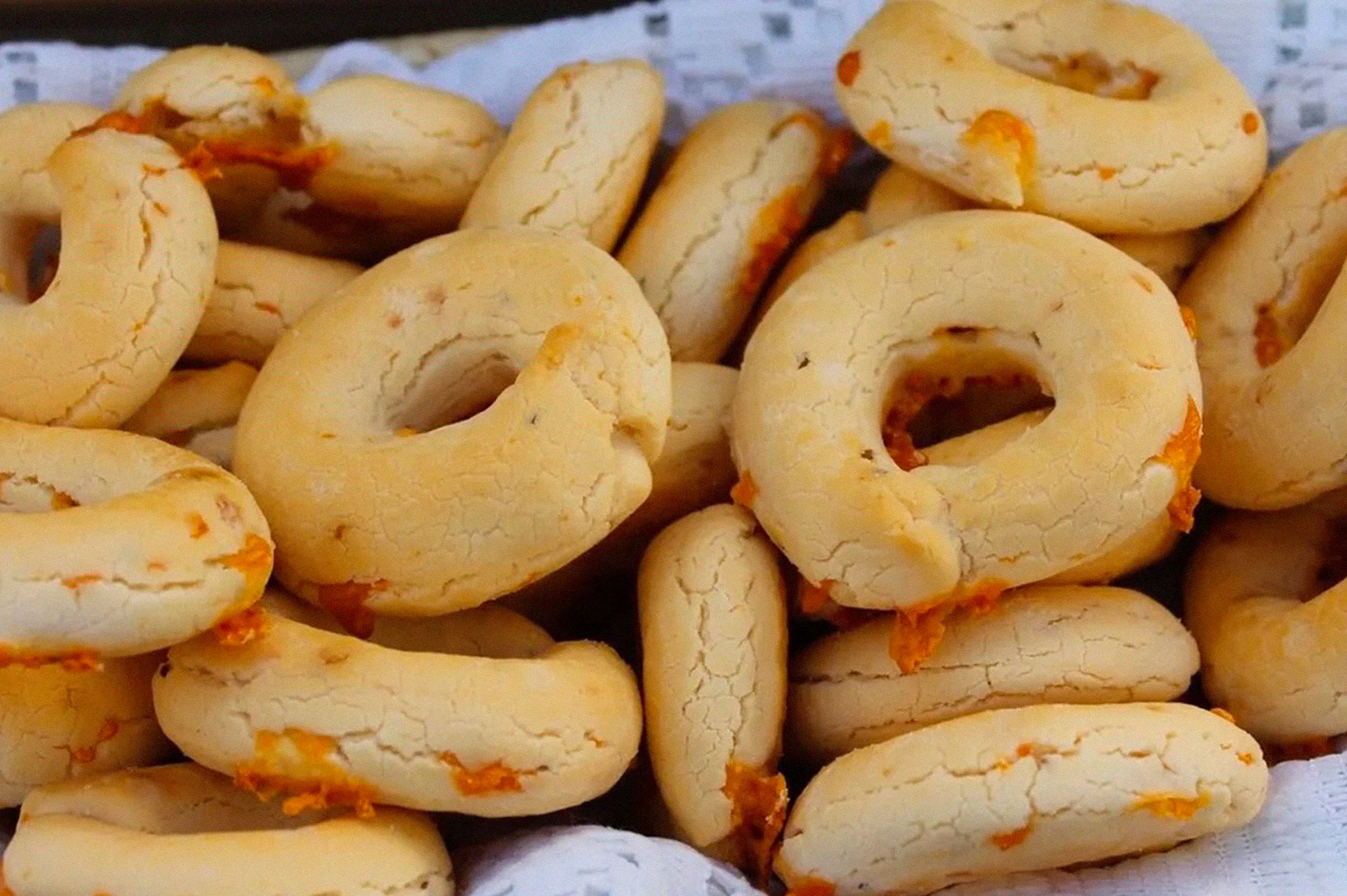
Chipa can have many shapes and variations, but the classic looks like a bagel. However, it doesn’t taste like one. It’s based on cassava (yuca) starch mixed with cheese and baked, giving it a unique, chewy texture inside. A great breakfast food, there are always hot chipas at Ña Eustaquia at the outer edge of the Villamorra Shopping mall.
Sopa Paraguaya
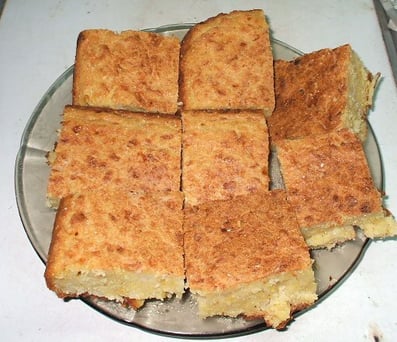
Despite the word “sopa,” which means “soup,” this traditional dish is more like a cornbread, often served at weekend breakfasts and as a side at asados. Rumor has it this dish was accidentally invented by the personal chef of Paraguay’s president, Don Carlos Antonio López. The chef was making Don López’s usual white soup when he accidentally added too much corn flour, causing it to cook solid. Therefore, “sopa” is in the name because it was originally meant to be a soup.
Sopa Paraguaya can be bought frozen at Biggie convenience stores, or found fresh on a Saturday morning at this local home in Recoleta, Asunción.
Vori Vori
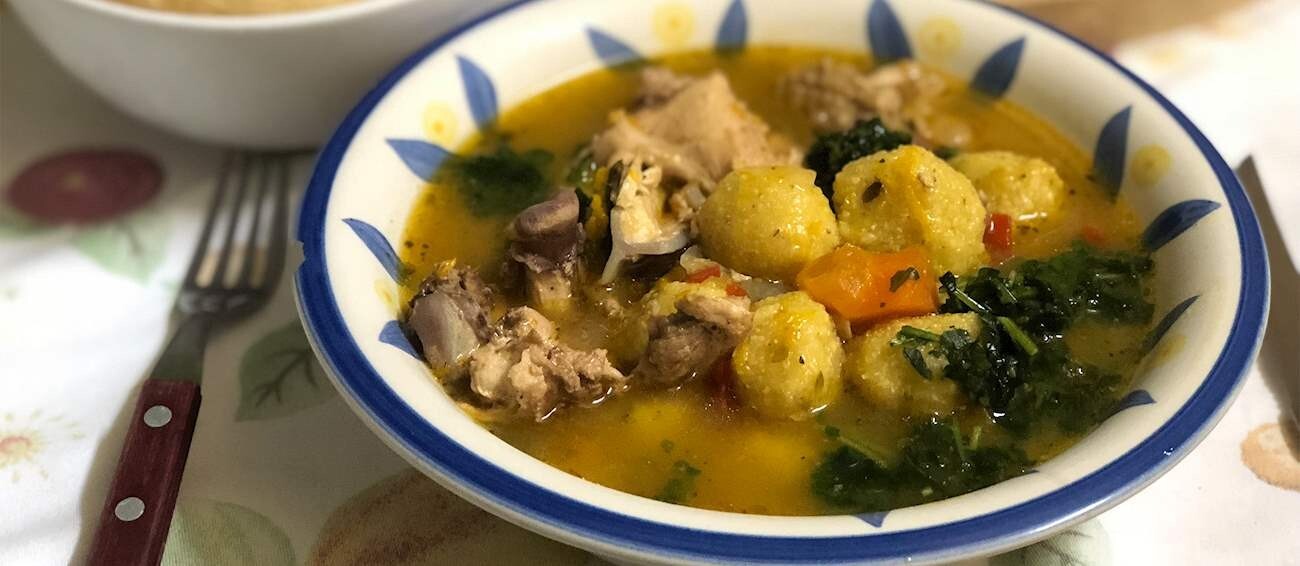
Pronounced “Bory Bory,” this really is a soup! It can be served with chicken or beef, and the stars of this dish are boiled balls of cornmeal. It’s usually served in a wide, shallow bowl. It can be found at lunchtime on Mondays at El Rincón de las Papas.
Mbejú
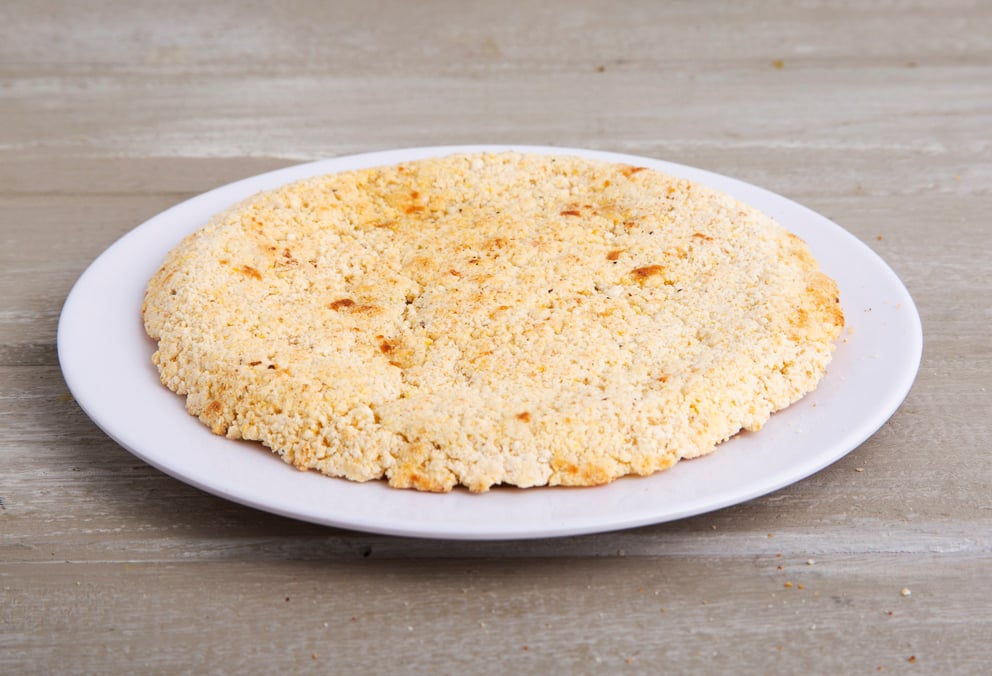
This filling dish has nearly the same ingredients as chipa. It’s effectively a savory cassava (yuca) flour pancake filled with cheese. The name is in the native Guaraní language, which is unique to Paraguay, proving this plate’s true locality. It's great any any cafe, including Florentino Café in Villa Morra, Asunción.
Soyo con Tortilla
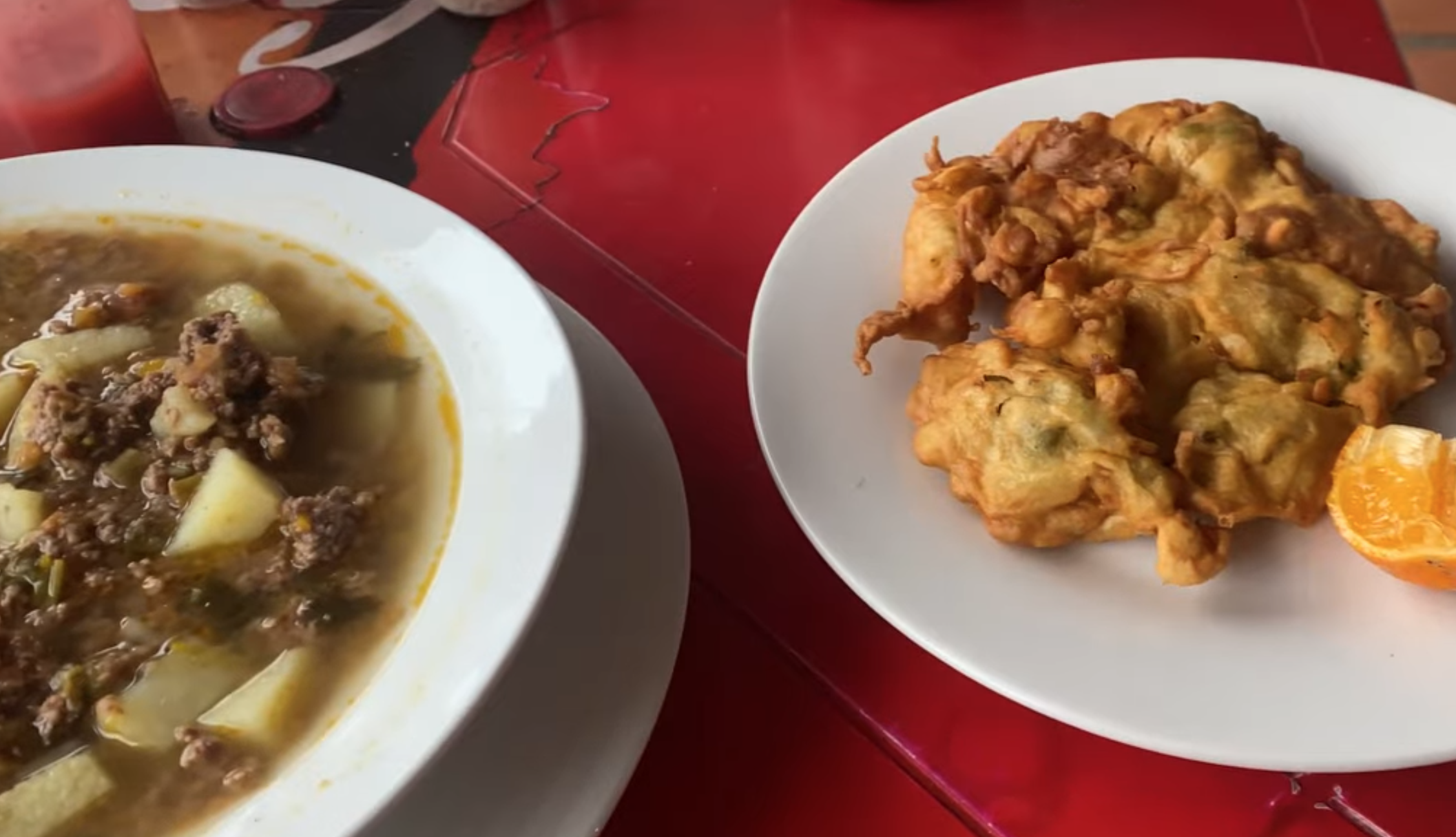
Don’t let the name fool you; there are no soybeans involved, nor is there any Mexican-style tortilla. The “soyo” is a delicious beef soup. Loaded with ground beef, it has a strong flavor.
The “tortilla” is a deep-fried mixture of egg, milk, cheese, flour, and scallions. It tastes like a savory funnel cake.
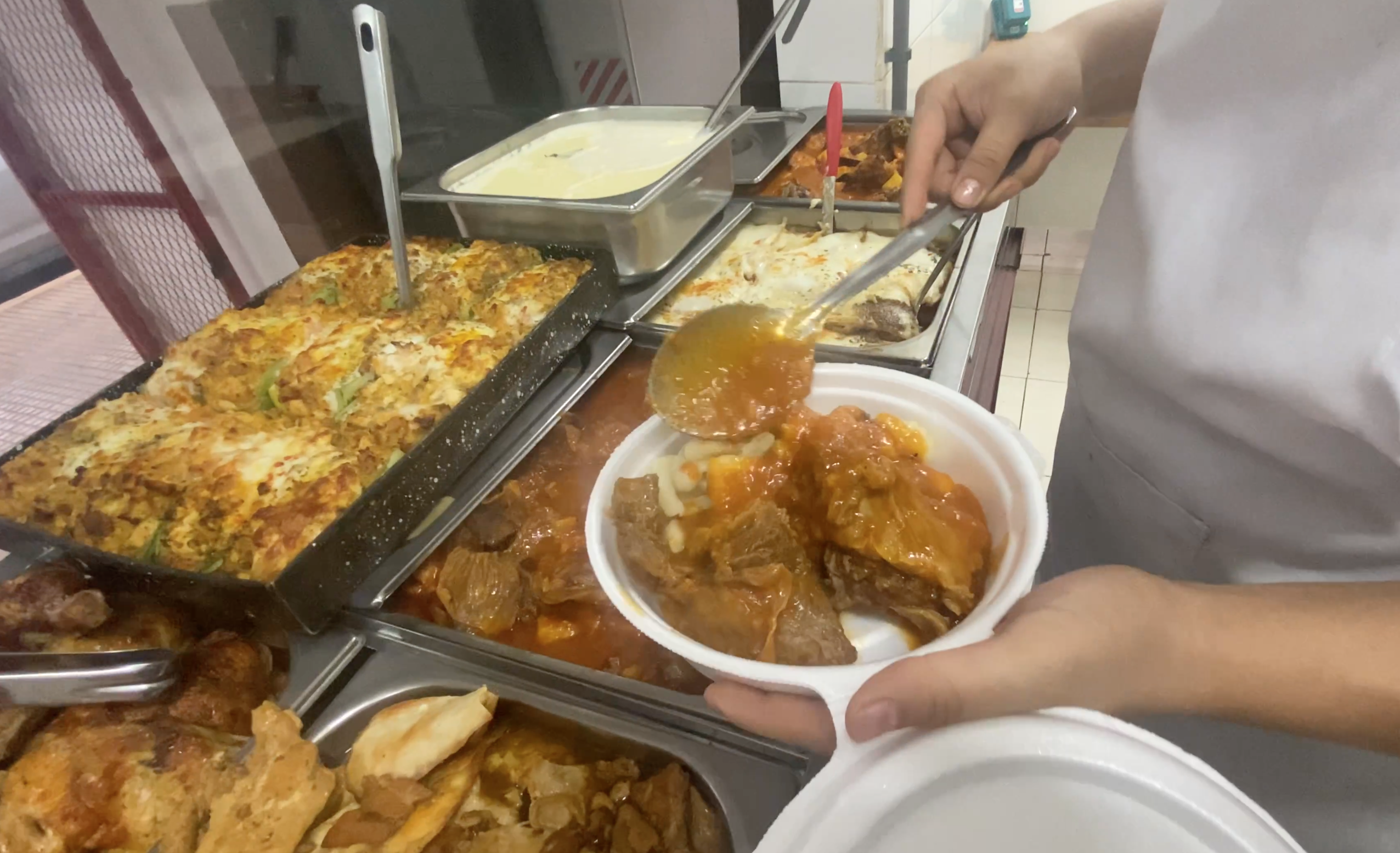
The best Soyo con Tortillas are found at local "comedores", like this Yeya in Los Laurales.
Chipa Guasú
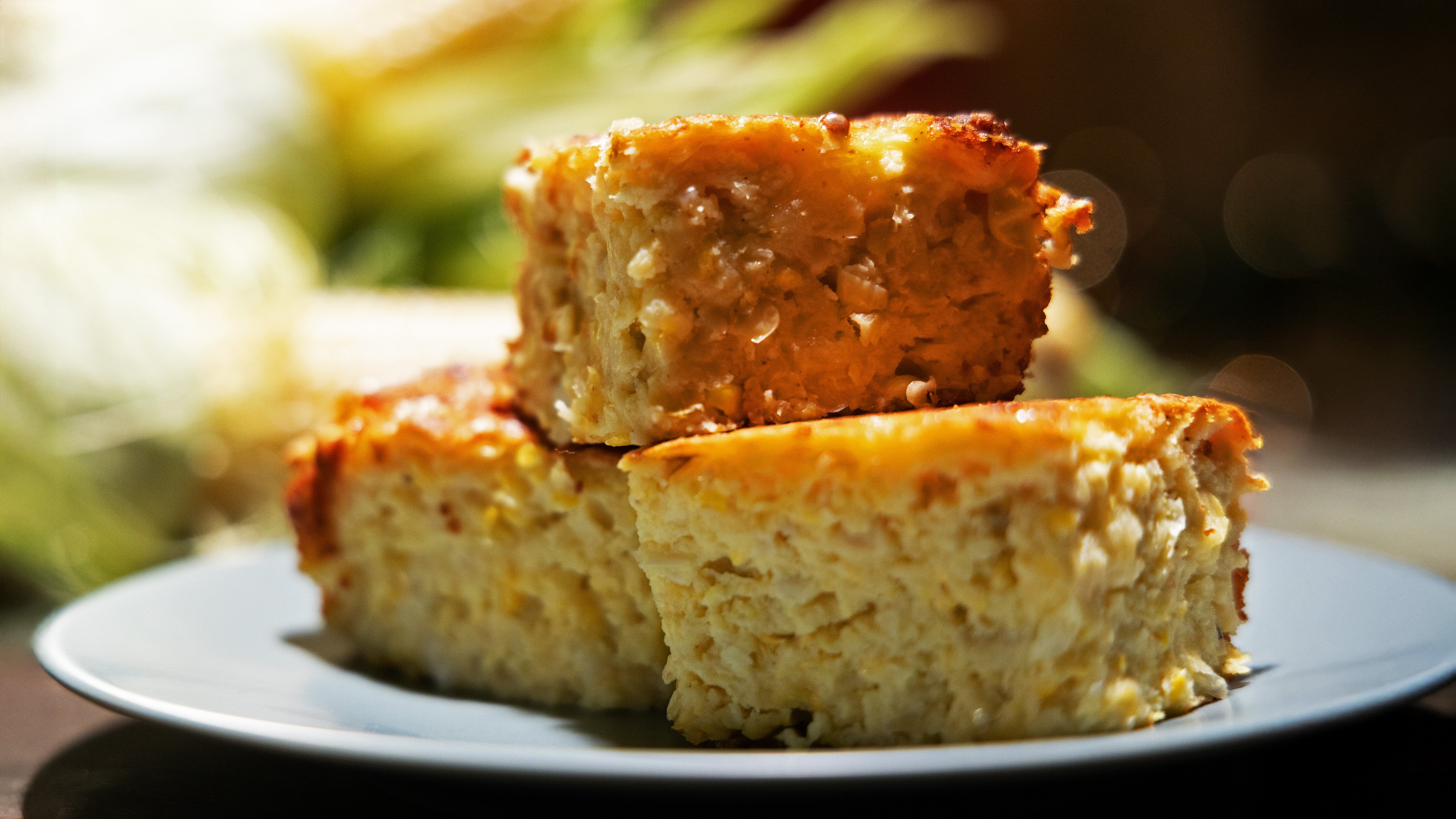
It has “chipa” in the name but looks like Sopa Paraguaya. This is effectively a cheesy cornbread, including pieces of corn. There’s a saying in Paraguay: “Chipa Guasu, o Sopa Paraguaya.” These two dishes are rivals due to their similarity, and having a strong preference is part of Paraguayan culture.
Guiso
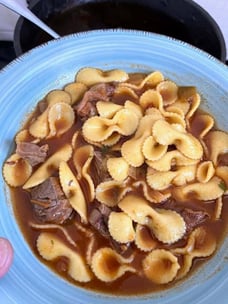
Guiso means “stew” in Paraguay. There are plenty of types, but usually a fatty cut of beef is included with an oily broth. Often served with potatoes or over pasta.
Asado
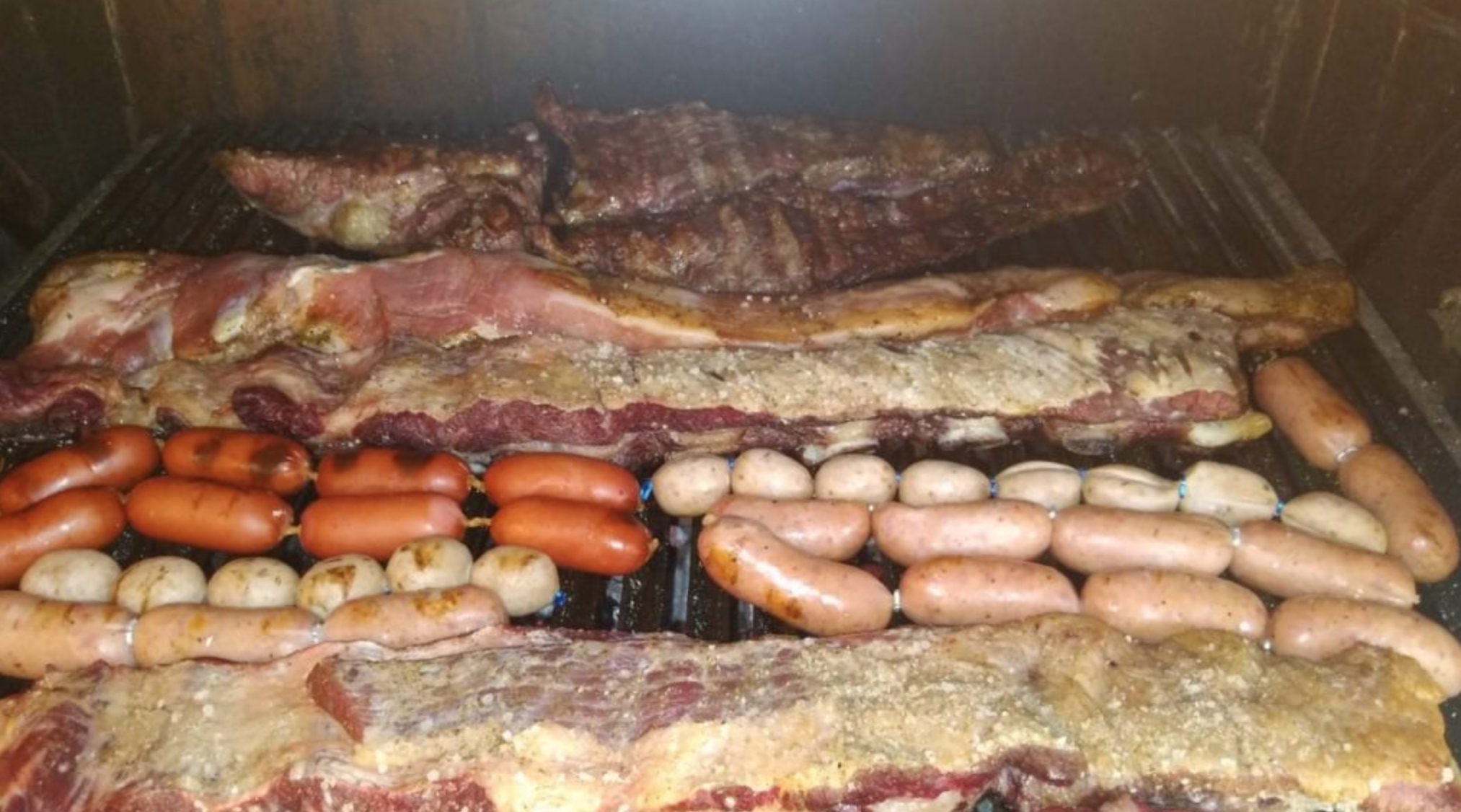
A Paraguayan asado is a leisurely barbecue event. Most commonly hosted on Sunday nights at a “quincha,” or outdoor patio, asados are core to Paraguayan culture. Patience is key, and sharing is mandatory. Forks are rare, drinks are passed around in one cup, but toothpicks might be present to pick the meat.
Don’t expect a burger. The asado will likely be slow-cooking picanha and flank (“vacío” in Spanish) cuts over charcoal. While waiting for the main cuts of beef to cook, there will be sausages, cheese, sopa paraguaya or chipa guasu, and garlic bread grilling and being served as appetizers. The meats are cut by the chef and served in small pieces on a cutting board, where guests nibble on bite-sized pieces of whatever is coming off the grill.
Some would argue that asado should be at the top of this list; it’s at the bottom because Paraguayan asados are similar to those in Argentina, Uruguay, and Brazil.
It can be hard for visitors to enjoy a truly authentic asado; it’s about the experience, not just the food. Going to a restaurant cannot replicate it. Fortunately, authentic asado nights are a regular activity offered to students at Fluido Spanish School.
Tereré
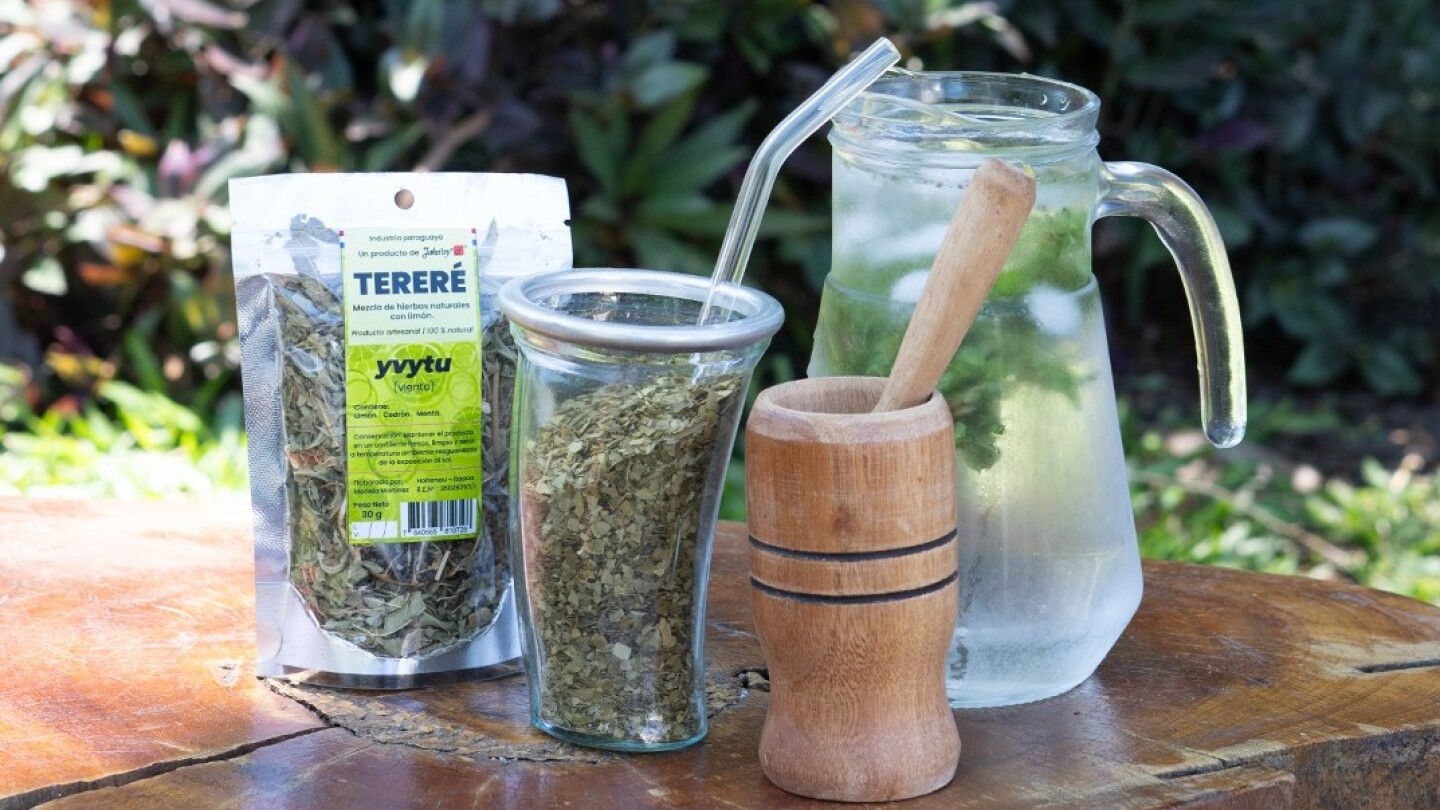
A classic way to cool down, energize, and balance an upset stomach. Yerba Mate leaves are placed in an insulated cup called a “guampa.” A filtered straw called a “bombilla” is added, and a couple of ounces of ice-cold water are poured into the cup from an insulated jug.
The mixture is left to steep for a few minutes and then consumed quickly in a few sips. The drinker refills the guampa and passes it to their friend.
Sharing is a core part of tereré culture and unfortunately caused issues in indigenous communities during the COVID-19 pandemic. It was considered offensive to not share the tereré, but it was a clear vector for transmission.
Mate
Mate, short for Yerba Mate, is the same drink as tereré, just made with hot water instead of cold. This is more often drunk during the colder winter months.
Cocido
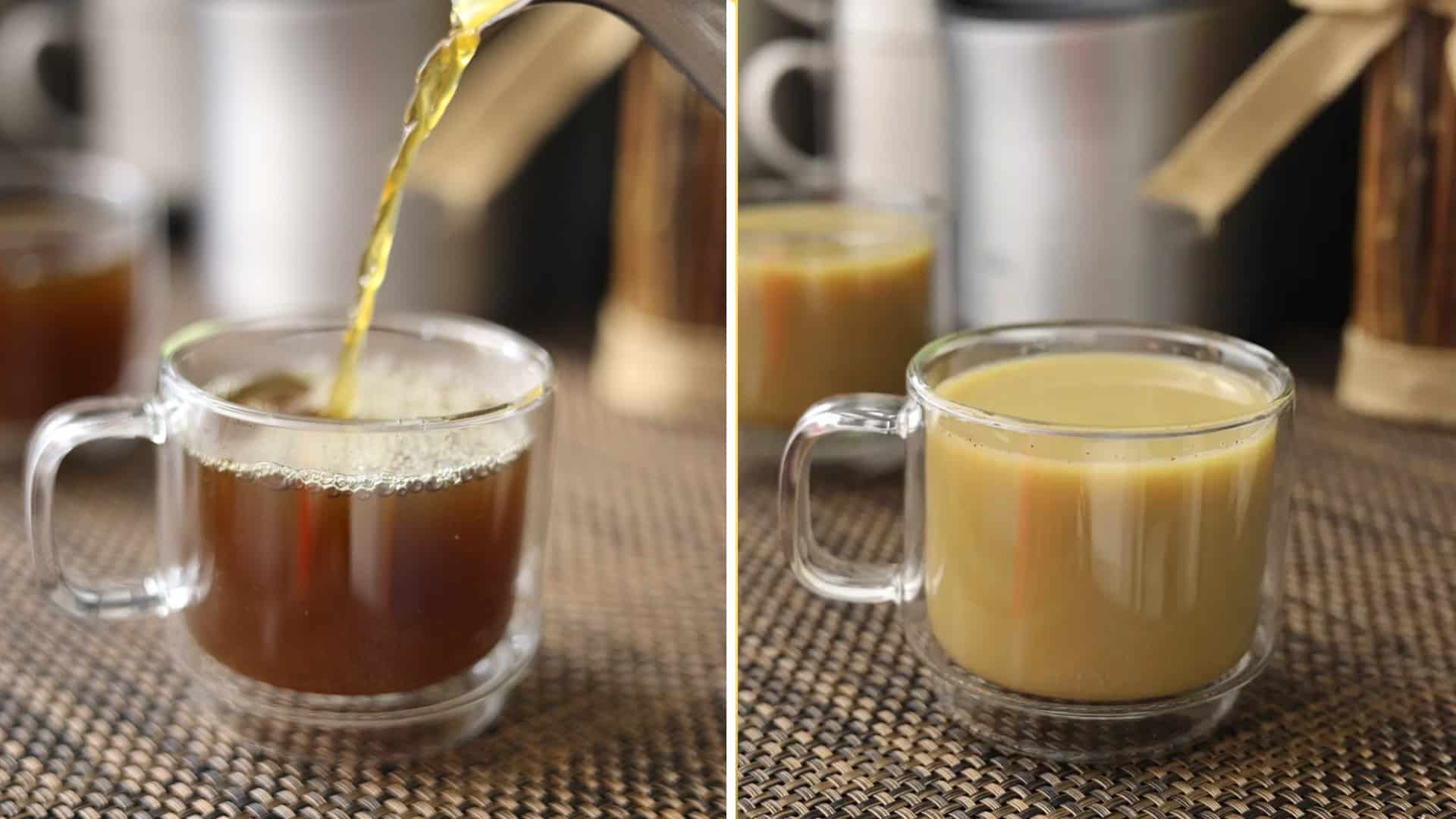
A must-try. Yerba Mate leaves are burned and then used to make tea (cocido). They have a strong, nutty flavor. It’s commonly ordered “con leche,” or with milk. Unlike mate or tereré, it's not served with loose leafs and a bombilla (straw)
Cocido is a perfect accompaniment to chipa. The best combination of cocido and chipa can be found by taking a bolt/uber to San Bernardino, and asking the driver to stop at the famous chipa stand along the route.
Submit Your Comment